
Welcome back to Part 2 of our summer 2026 Cape Cod & South Shore real estate series. In Part 1, we covered market trends and tips for buyers and sellers. Now, we’ll dive into investment strategies, property analysis, and rental insights — essential information for anyone considering buying, selling, or investing in these coastal markets this July.
Why Investing in Cape Cod & South Shore Real Estate Works
Investing in local real estate offers multiple benefits:
Long-Term Appreciation: Limited land and strong seasonal demand on Cape Cod support steady property value growth.
Cash Flow Opportunities: Rental income, whether long-term or seasonal, helps offset mortgage and maintenance costs.
Tax Advantages: Deductions for mortgage interest, repairs, and depreciation benefit investors.
Investor Tip: Vacation and short-term rental demand peaks in summer — plan purchases with seasonal income potential in mind.

Understanding the Property Types
Not all properties are created equal. In Cape Cod and South Shore, popular investment types include:
Single-Family Homes: Ideal for long-term renters or vacation homes.
Condos & Cottages: Easier to manage, often high-demand for summer rentals.
Multi-Family Properties: Rare but highly profitable if available.
Commercial Spaces: Consider for diversified investment, especially near high-traffic areas.
Local Insight: Multi-family homes in Barnstable and Hingham are limited but often deliver strong returns, particularly with seasonal rental demand.
How to Analyze a Property Like a Pro
Before making an offer, first-time investors should consider:
Cash Flow: Rent income minus all operating expenses.
Cap Rate: Annual net income ÷ purchase price.
Cash-on-Cash Return: Annual return ÷ initial investment.
Investor Tip: Short-term rentals (STRs) may generate higher summer income but require more active management.

Financing Your Cape Cod & South Shore Investment
Several financing options are available:
Conventional Loans: Standard financing for primary and investment properties.
FHA Loans: Helpful for first-time buyers with lower down payment requirements.
Second-Home Loans: Useful if planning vacation rental properties.
Local Insight: Coastal properties may require flood and wind insurance, so factor this into your financing plan early.
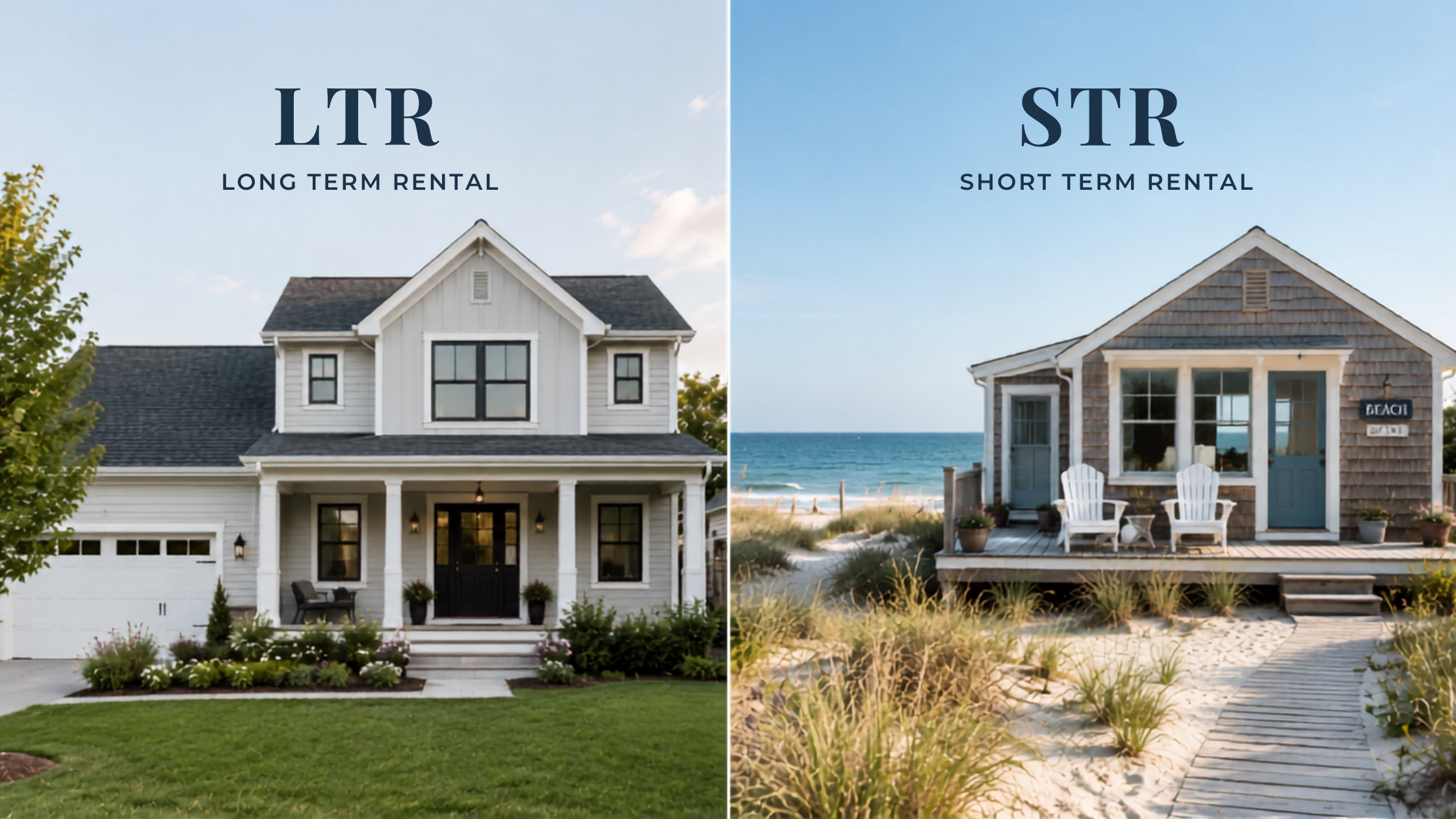
Long-Term vs Short-Term Rentals
Investors need to consider rental strategy:
Long-Term Rentals (LTR): Stable, predictable income year-round.
Short-Term Rentals (STR): Seasonal peaks can generate higher revenue, especially in summer months.
Tip for Cape Cod Investors: STR regulations vary by town — check local ordinances before buying.
Inspections & Hidden Costs Every Investor Should Know
Septic Systems: Replacement costs can range $25k–$50k.
Flood Zones & Insurance: Mandatory in many coastal areas.
Roof, HVAC, and Plumbing: Older systems can add significant expenses.
Pro Tip: Always budget for unexpected repairs to avoid cash flow surprises.
Making an Offer & Negotiating Smartly
Review comparable sales to determine a fair price.
Set a maximum budget based on projected returns.
Be prepared to act quickly — waterfront properties and cottages sell fast in summer.
Investor Tip: Pre-approval from your lender allows you to make strong offers quickly.
Your First 90 Days as an Investor
Once your property closes:
Set up utilities and services for tenants.
Furnish if STR.
Screen tenants carefully.
Automate cleaning and maintenance during peak rental months.
Local Insight: Automating seasonal services ensures consistent rental income and reduces management headaches.